The Summertime Blues: Why Mid-Summer Might Be the Most Overlooked Season for Photography
If you've spent any time around landscape photographers, you've probably heard it before.
"There's just nothing to shoot in the middle of summer."
Long days, harsh sunlight, deep green forests, and hazy mountain vistas can leave many photographers feeling uninspired. After the brilliant colors of spring wildflowers and the dramatic foliage of autumn, it's easy to think summer is the season to stay home. The truth is, mid-summer isn't lacking photographic opportunities—it simply asks us to change the way we see. Instead of chasing sweeping mountain vistas every morning and evening, summer rewards photographers who are willing to adapt to the conditions and look for subjects that thrive this time of year.
Let the Weather Be Your Guide
Summer photography is all about paying attention to the forecast.
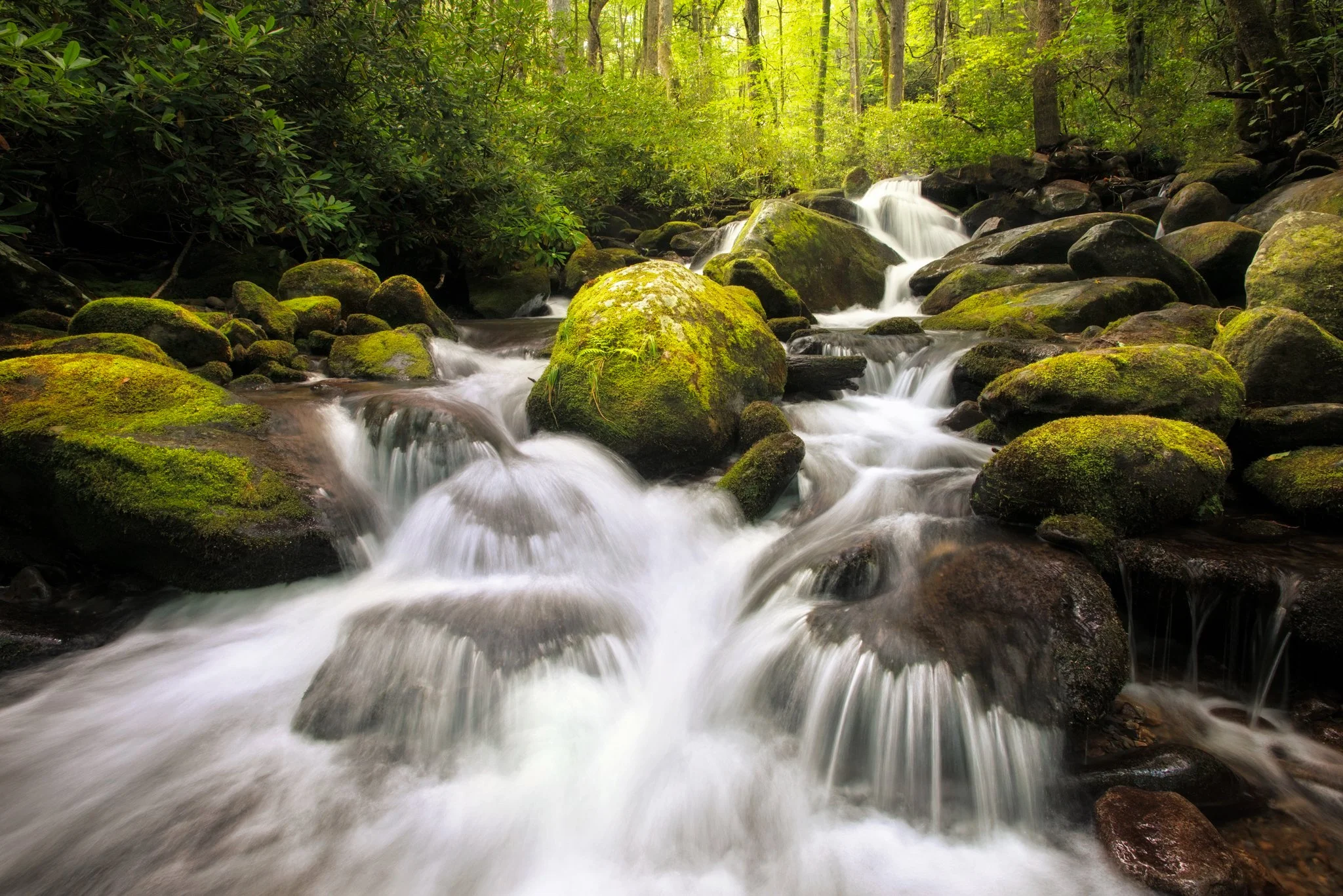
A passing thunderstorm can completely transform the landscape. Mountain streams become powerful torrents, waterfalls gain new life, and cool morning air often creates beautiful fog drifting through the forest. Some of my favorite waterfall images have been made just hours after a summer rain. The flowing water is stronger, the moss glows with fresh moisture, and soft overcast skies provide the perfect natural light for long exposures. Rather than hoping for sunshine every day, start hoping for weather. Sometimes the best photographs happen just after the storm passes. Don't Fight the Midday Sun!
Most photographers spend years hearing one rule:
"Never shoot in the middle of the day."
While that may be true for grand scenic landscapes, it certainly isn't true for every subject. Bright summer sunshine creates incredible opportunities for Infrared photography. Lush green foliage reflects Infrared light beautifully, producing glowing white trees against dark skies that can transform familiar locations into surreal works of art. The same harsh light that ruins a distant mountain view can become exactly what you need to create dramatic Infrared images.
Sometimes the answer isn't waiting for better light. It's choosing a different camera or creative approach.
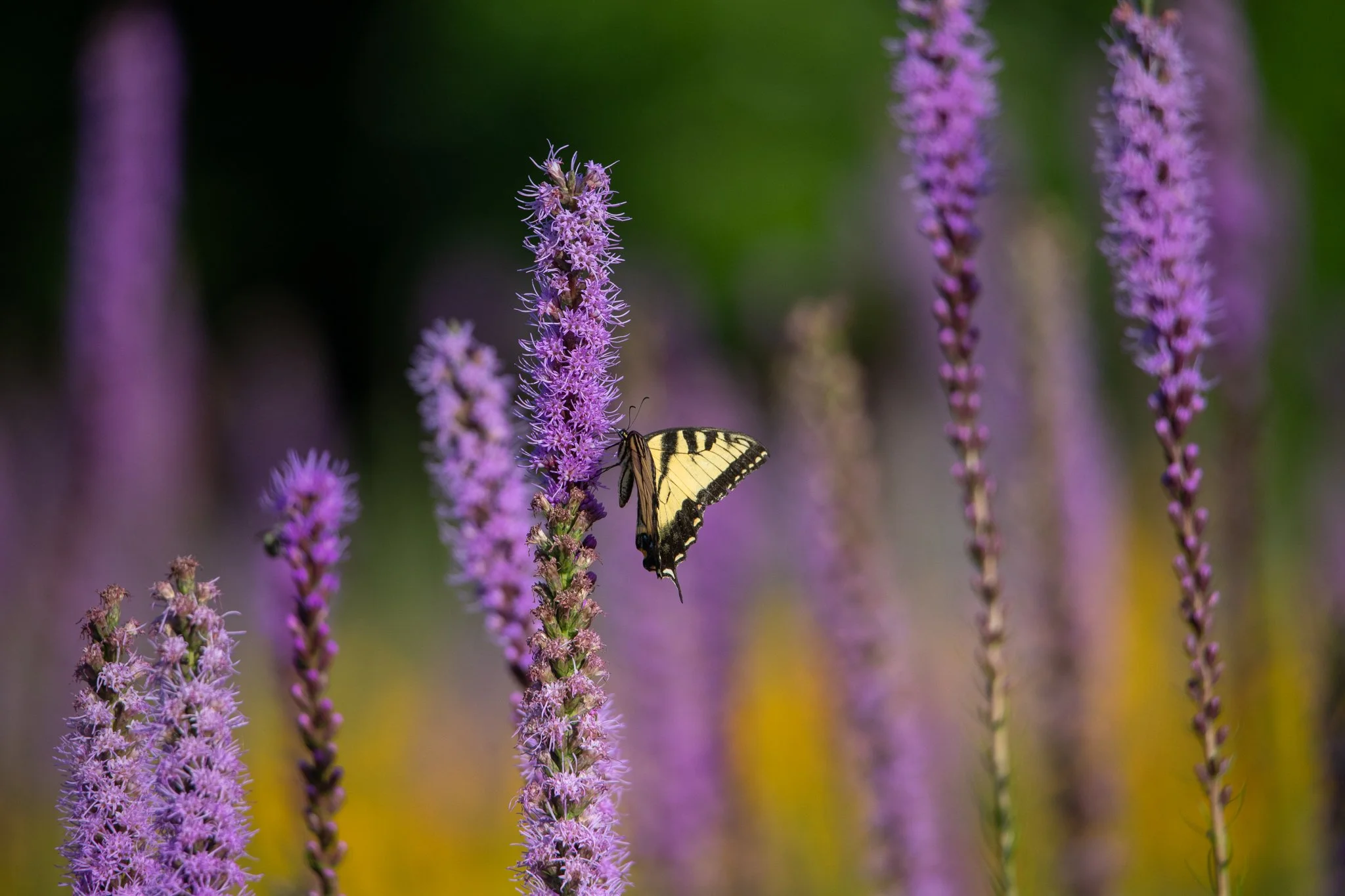
Look Down Instead of Looking Out. When distant vistas lose their punch, start looking closer. Late summer is full of beautiful details that many photographers simply walk past. Fields begin filling with Blazing Star, Goldenrod, Queen Anne's Lace, daisies, and other late-season wildflowers. These blooms attract butterflies, bees, dragonflies, and countless species of birds, creating endless opportunities for close-up photography.
A macro lens or the big zoom in your bag suddenly becomes the most valuable piece of equipment in your bag. Spend time studying the small things. Watch how insects move from flower to flower. Observe how morning dew catches the first rays of sunlight. Notice the delicate textures, colors, and patterns hiding beneath your feet. Entire portfolios can be built without ever photographing a mountain.
When the Sun Goes Down... Summer also offers one enormous advantage. Warm nights. Instead of freezing on a mountaintop in January, you can comfortably spend hours under the stars. Clear summer evenings create excellent opportunities for astrophotography. The Milky Way stretches across the sky, reflections shimmer in quiet lakes, and old barns, lighthouses, rock formations, and lone trees become powerful foreground subjects beneath the stars. For many photographers, summer is actually the best season of the year to begin learning night photography.
Change Your Expectations. Perhaps the biggest challenge isn't the weather. It's our expectations. If you head into the field hoping every July afternoon will look like an October sunrise in the Smokies, you'll probably go home disappointed. But if you embrace what summer naturally offers—lush forests, powerful waterfalls, incredible macro subjects, dramatic infrared images, butterflies, birds, wildflowers, thunderstorms, fog, and star-filled skies—you'll discover a season overflowing with possibilities.
Every season has its own personality. The photographers who continue growing are the ones who learn to photograph what nature is offering, rather than wishing it looked like a different month. So the next time someone tells you there's nothing to photograph in the middle of summer, smile, grab your camera, and head outside.
Summer isn't the slow season.
It's simply the season that teaches us to see differently.