
Learning to “See” beyond the obvious.
One of the biggest lessons I've learned over the years is that becoming a better photographer isn't always about learning more about photography.
Sometimes it's about learning to see more.
We spend a lot of time learning cameras, lenses, exposure, focus stacking and editing techniques. All of those things are important. But eventually most photographers reach a point where knowing how to make the photograph isn't the problem anymore.
The harder question becomes:
What do I photograph — and why?
That's where photography starts getting really interesting.
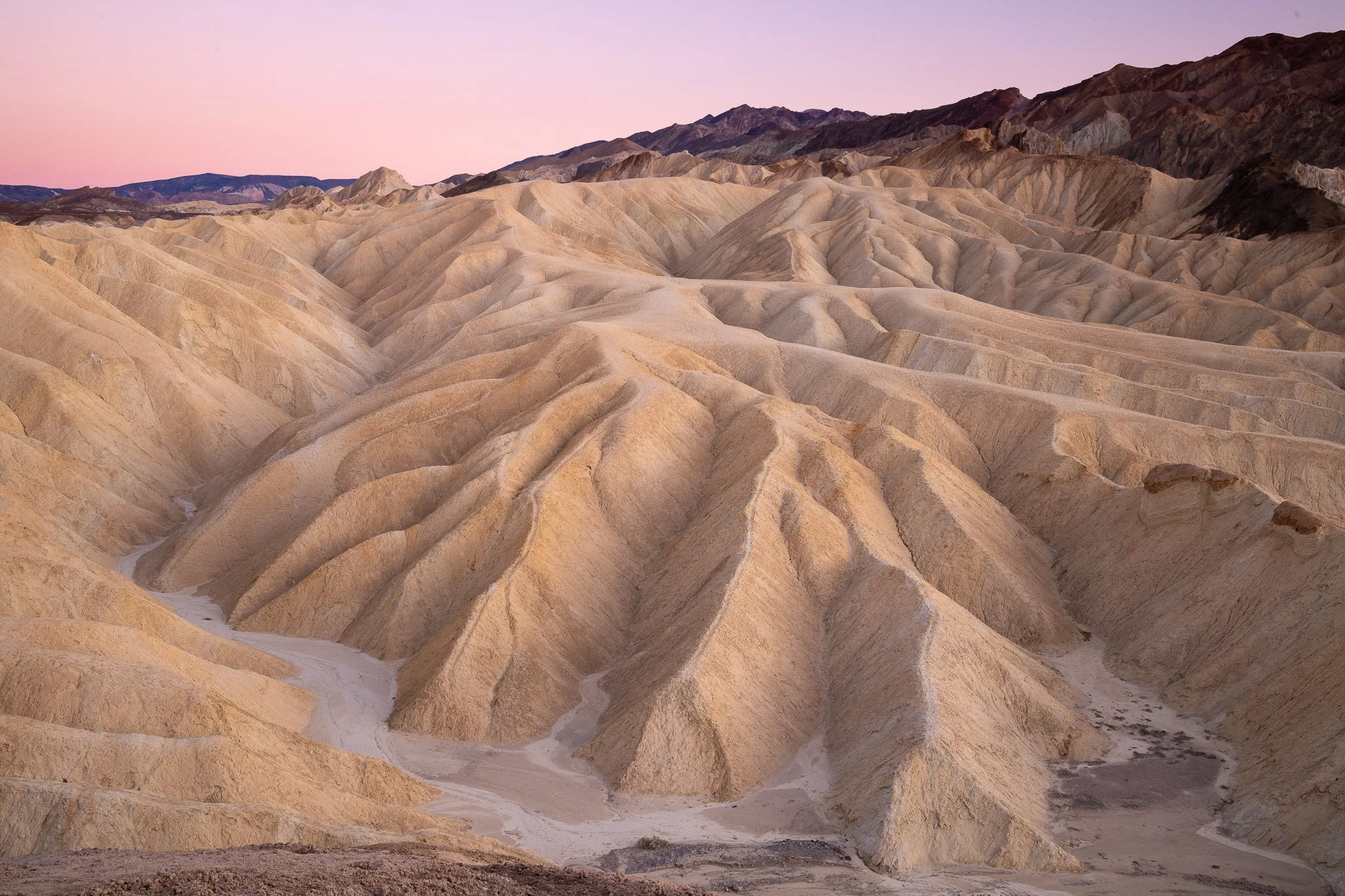
Make it stand out
When I went to Death Valley for the first time, I had a notion in mind as to what we were going to see. This Sunrise from Zabriske was one of them. And, while beautiful, what followed by expanding my visual thought process, helped me to “see” scenes that are more intimate and unique. They were different and required me to think outside the box, with other lens choices and angles. It opened many doors in to a World that was originally small and predictable.
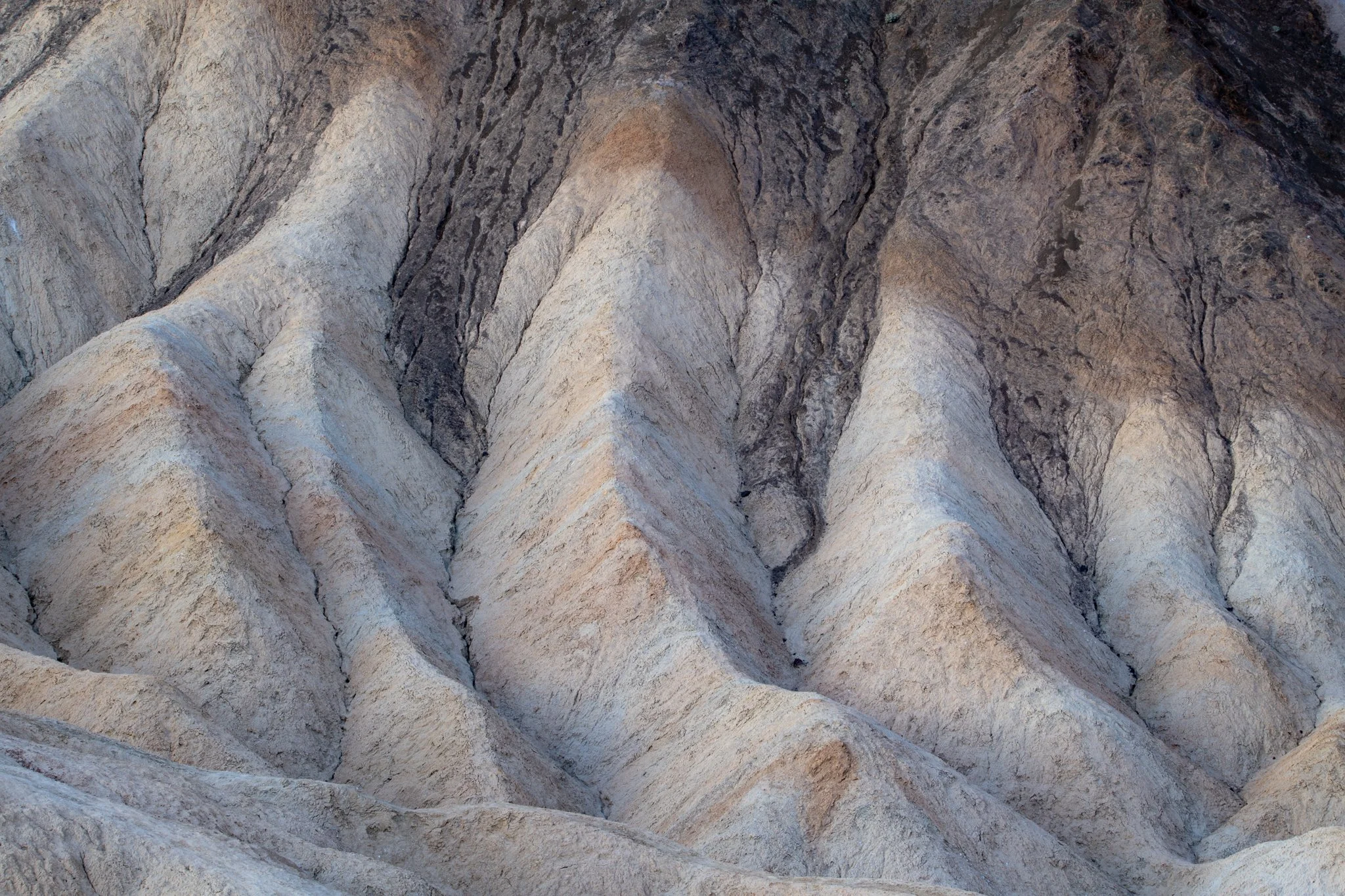
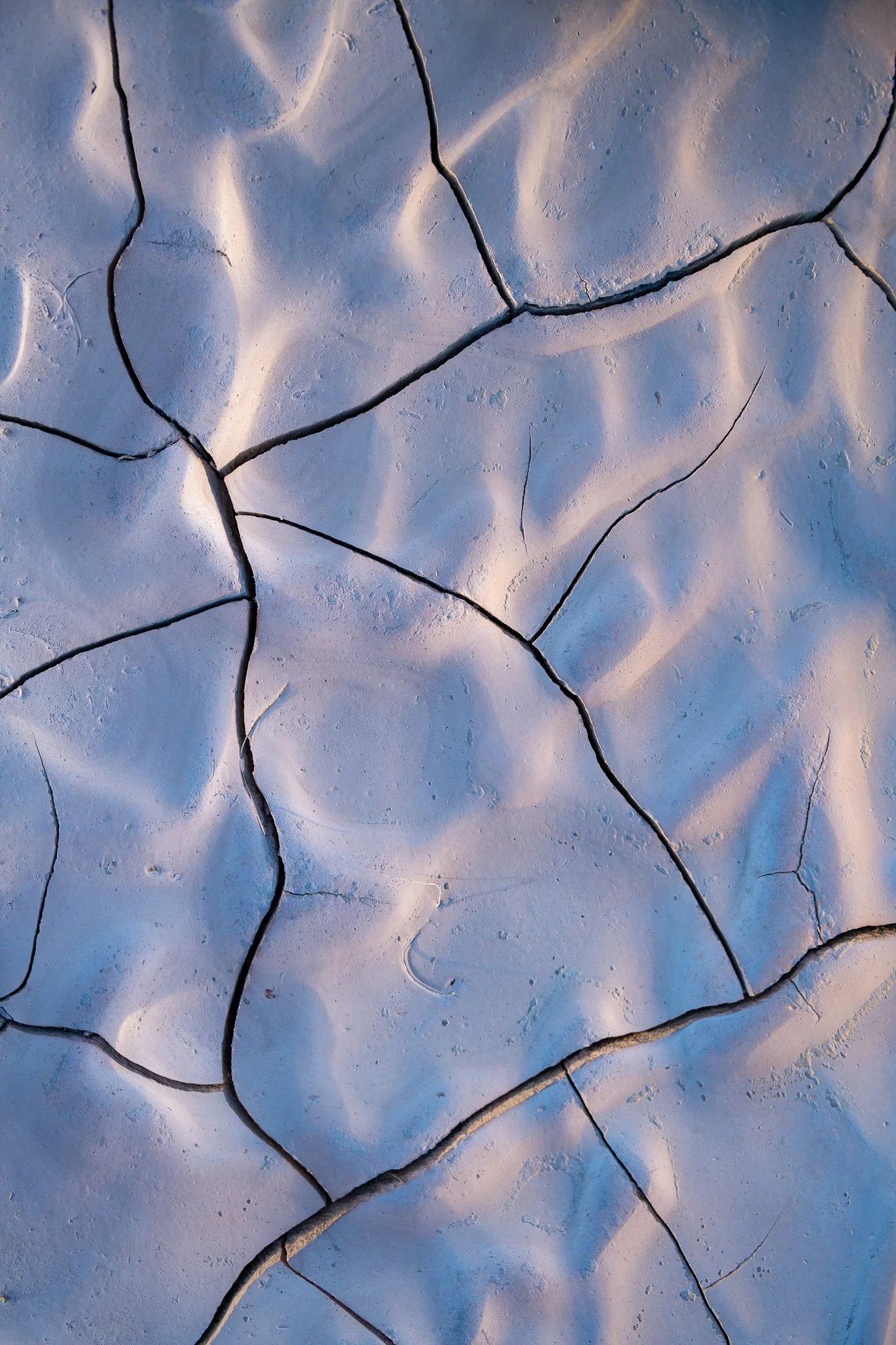
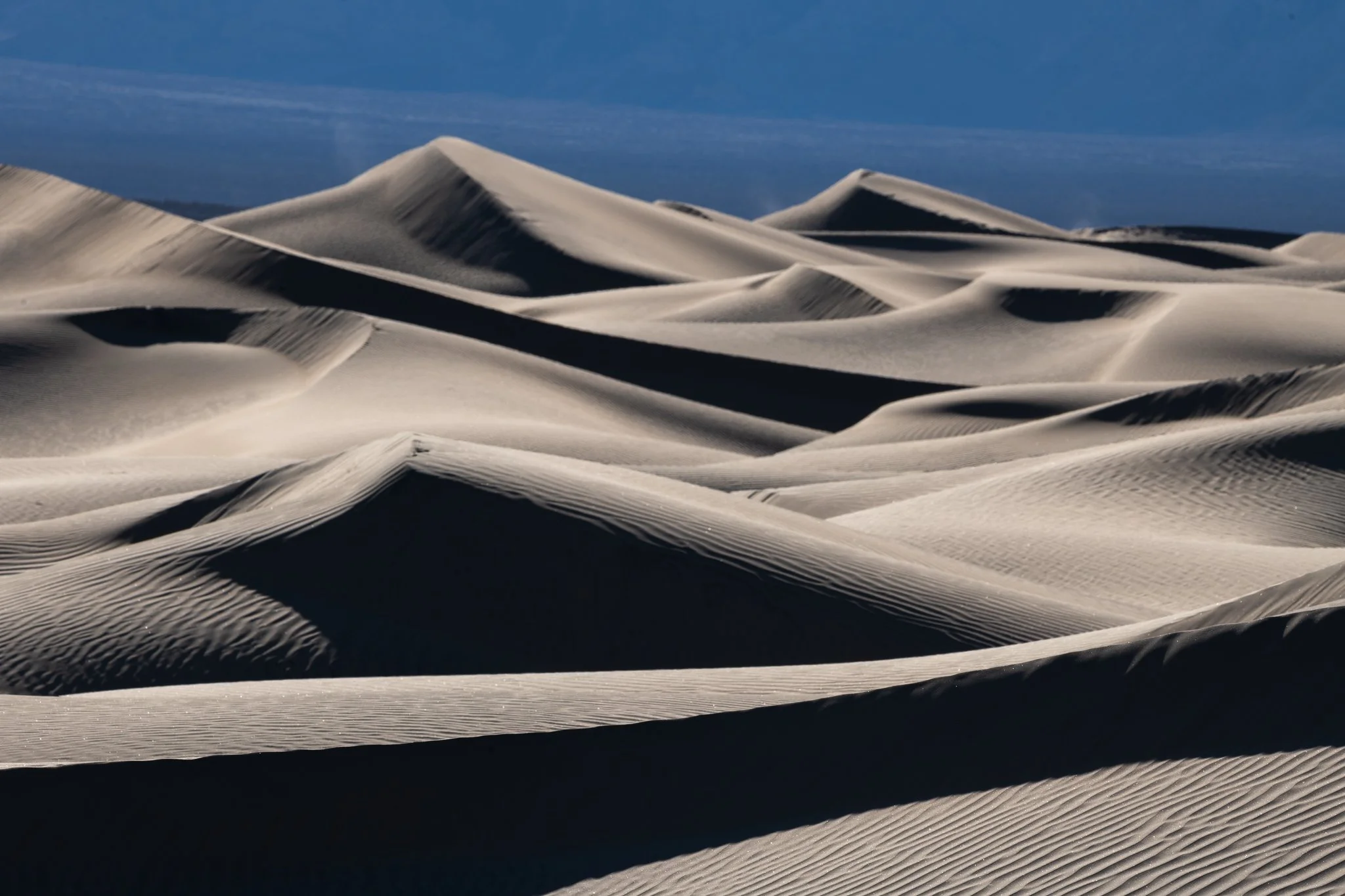
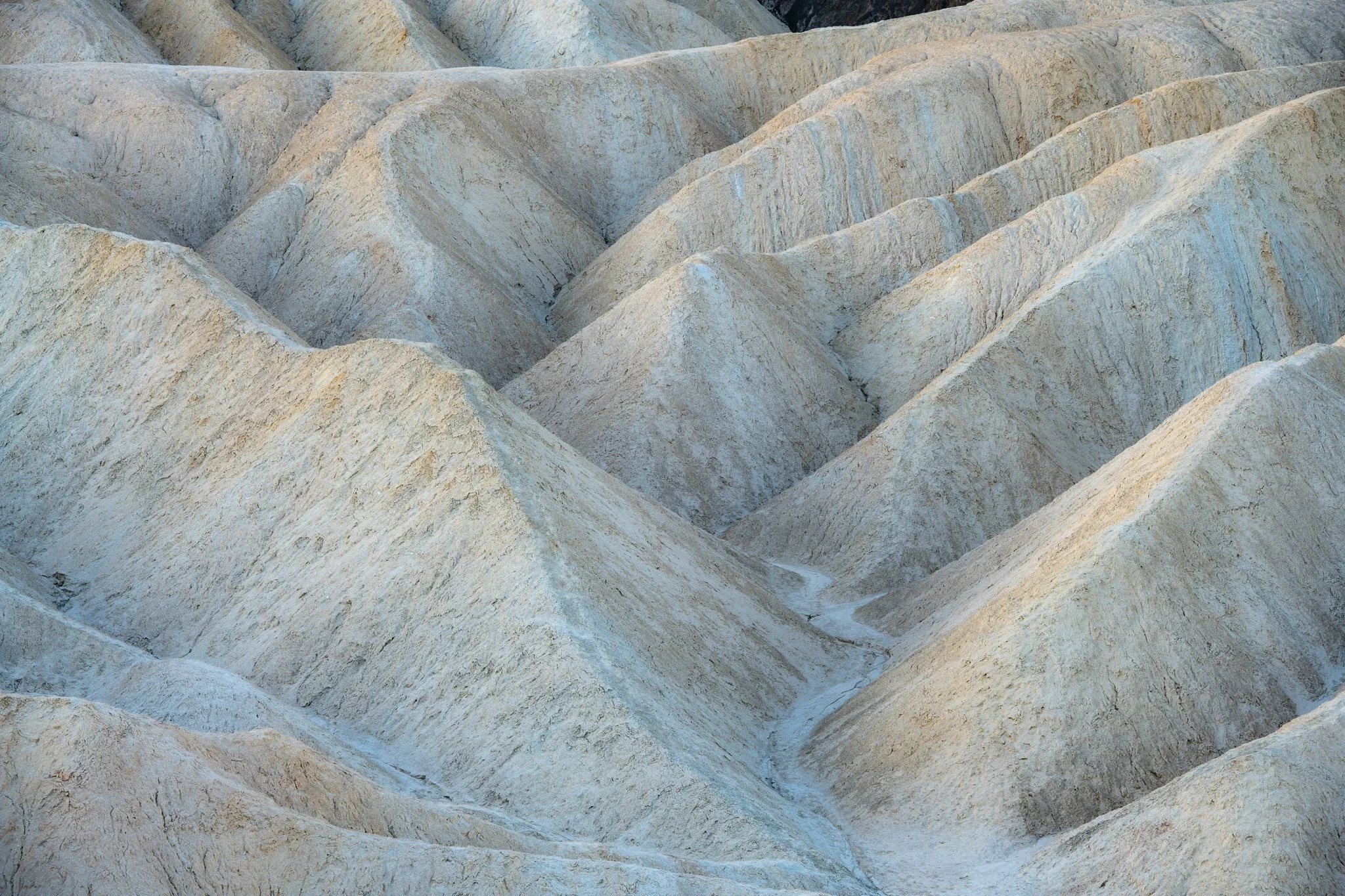
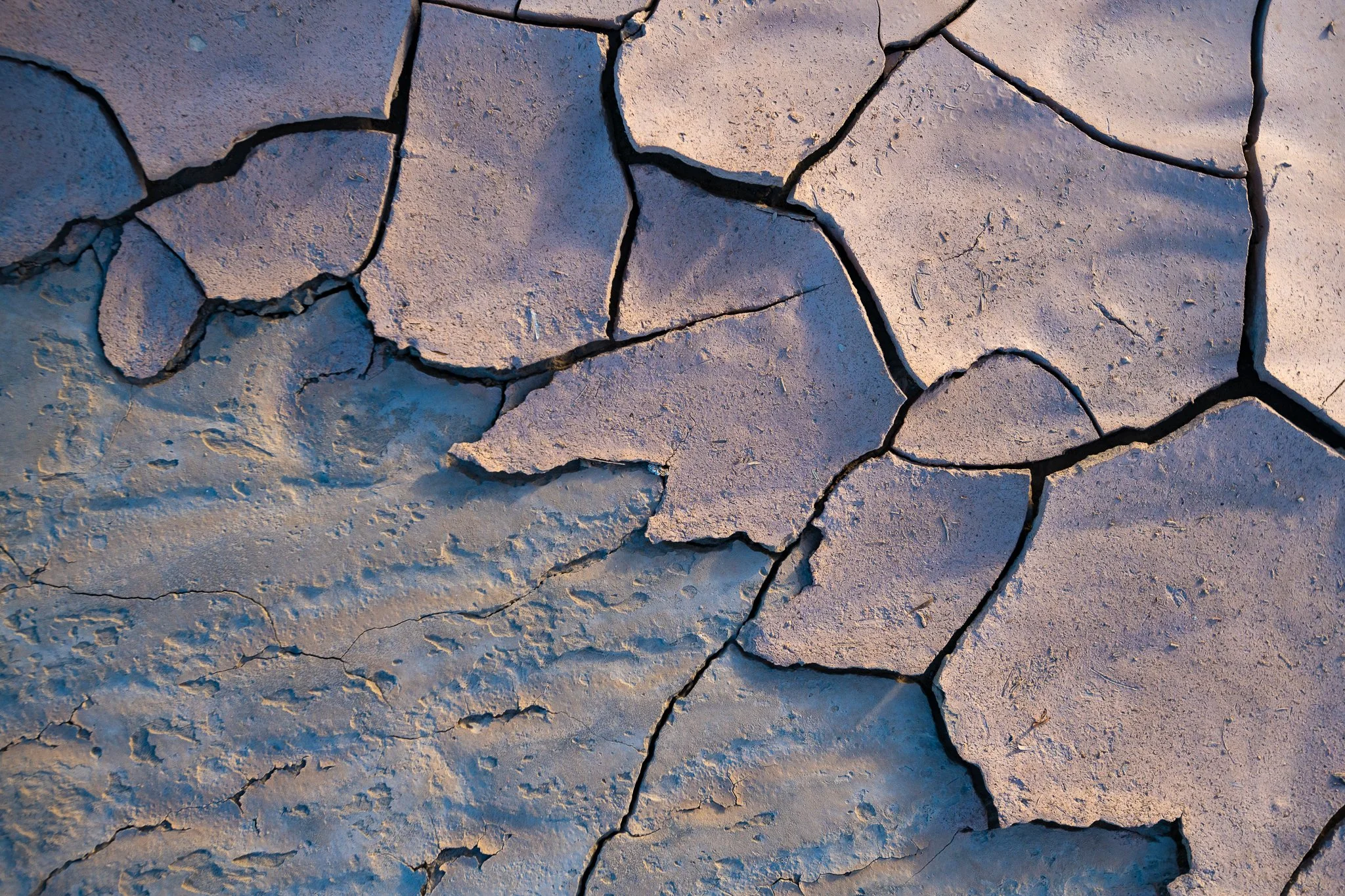
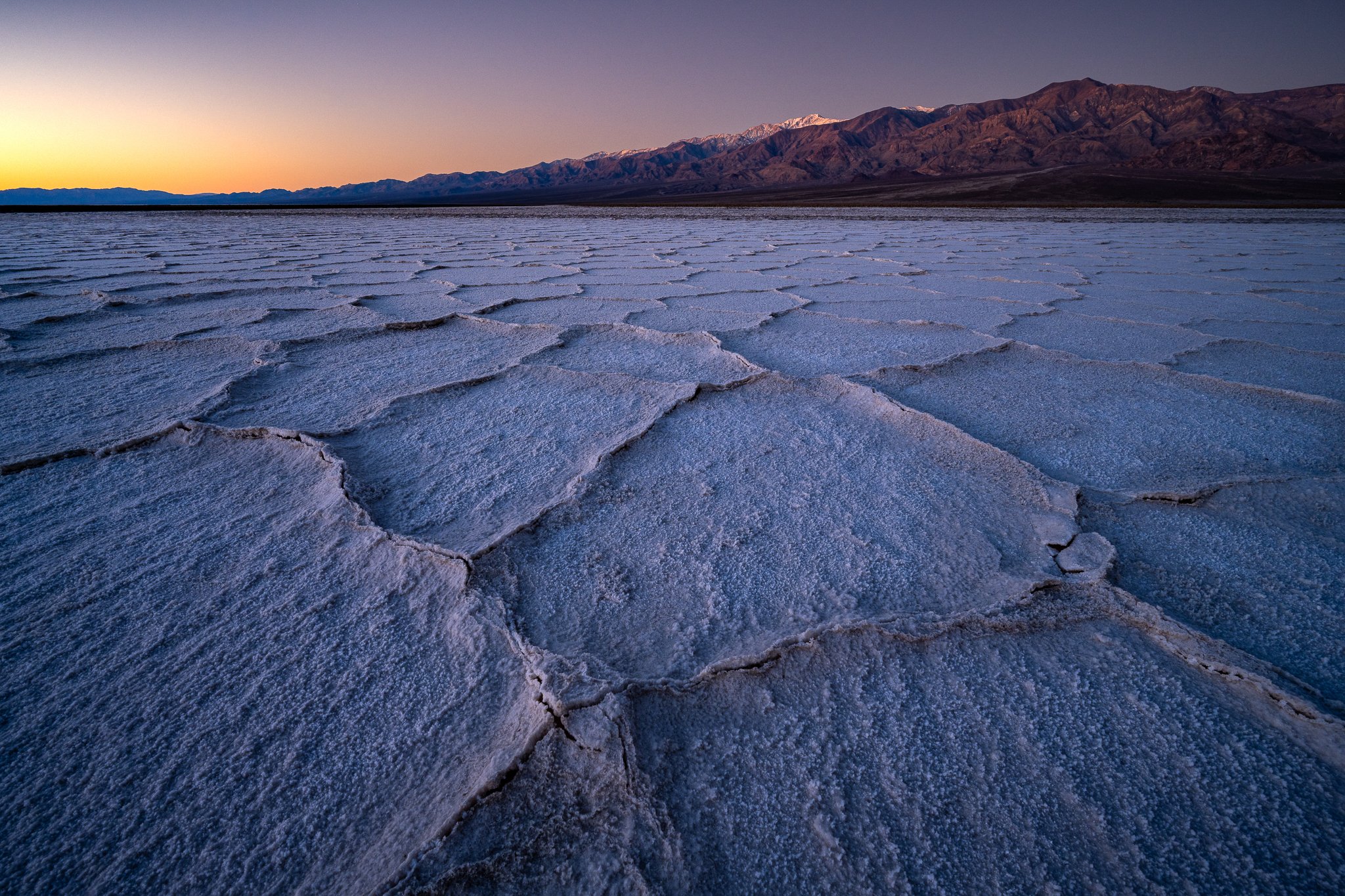
Look Beyond the Obvious
We've all arrived at a beautiful overlook, waterfall or mountain and immediately seen the photograph we're supposed to make.
There's nothing wrong with making that photograph. I do it too.
But don't stop there.
Very often, the photograph that interests me most is the one I discover after I've been there awhile.
Maybe it's light touching one tree. A repeating pattern in the rocks. Fog separating distant ridges. Or a small scene twenty feet behind me that everyone else walked right past.
That's what I mean by seeing beyond the obvious.
Observation vs. Perception
I think there's an important difference between observation and perception.
Observation is recognizing what's there.
There's a waterfall. There's a tree. There's fog in the valley.
Perception goes deeper.
Why did that particular tree grab my attention? Why does the fog make one ridge feel farther away? Why does that patch of light completely change the scene?
Once we understand why something caught our attention, we can begin figuring out how to photograph it.
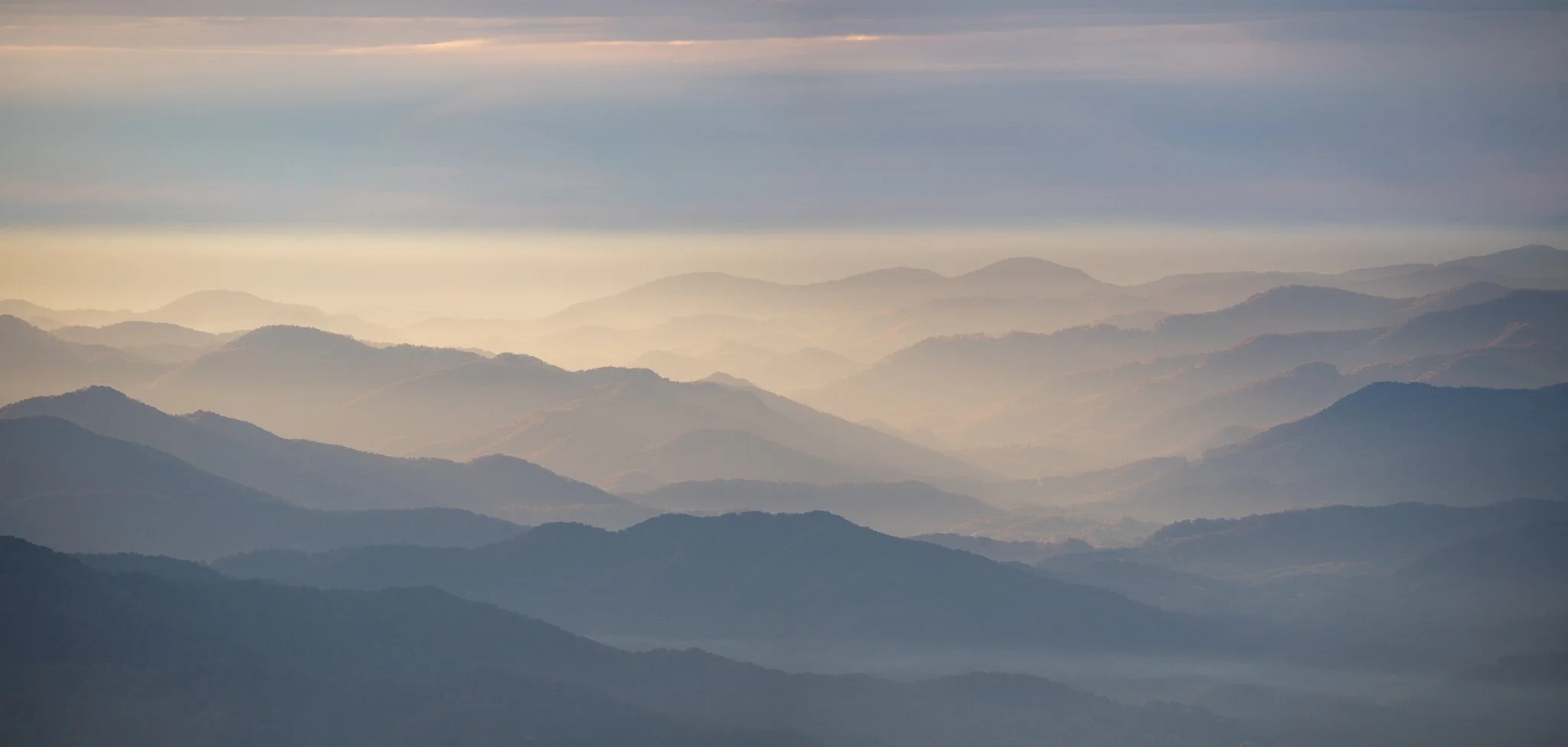
This was a much smaller scene within a very large frame. I used a 600mm zoom lens to hone in on this interesting spot that had wonderful light and depth. The overall scene lacked interest and this wonderful spot was lost in the chaos.
Look for Relationships
Strong photographs are often less about individual objects and more about the relationships between them.
Light and shadow.
Large and small.
Near and far.
Sharp and soft.
Stillness and movement.
A rock beside moving water creates contrast. A tree against fog suddenly has separation. Several mountain ridges disappearing into mist create depth and atmosphere.
Learning to recognize those relationships is a huge part of learning to see.
Let the Light Tell You What to Photograph
We often arrive with an idea of what we want to photograph.
Nature doesn't particularly care about our plans.
If the dramatic sunrise doesn't happen, it's easy to think the conditions aren't good.
Instead, ask:
What are the conditions good for?
Hard midday light may not work for a grand landscape, but it can be fantastic for abstracts, texture, backlighting or infrared.
Fog may hide the mountain you came to photograph while creating beautiful intimate scenes nearby.
Rain may ruin your sunrise and create perfect conditions for streams and waterfalls.
Don't fight the light.
Figure out what it's giving you.
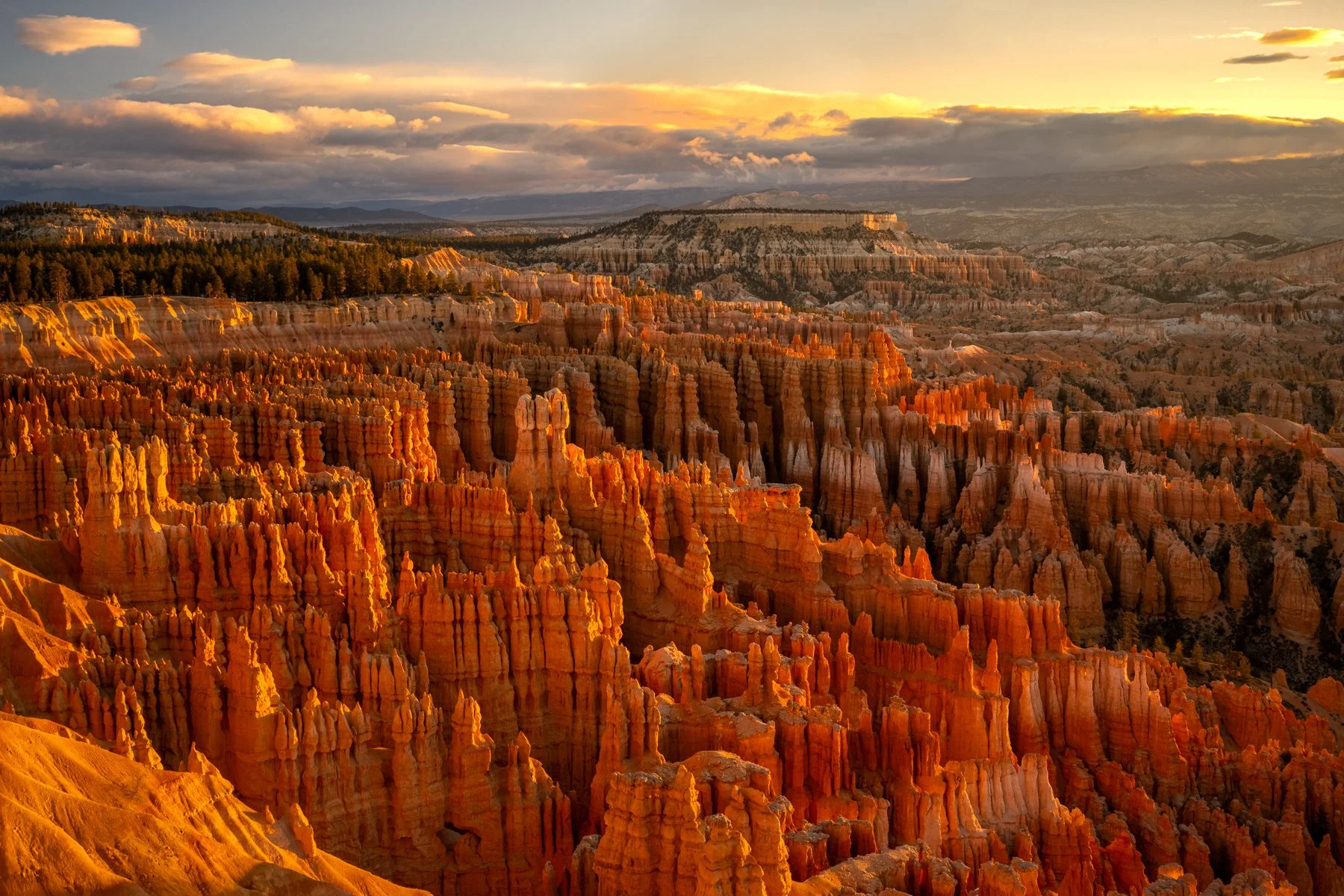
Light and shadow are a funny thing and can make or break your image. You may only get seconds of good light. Whether you see it not is the real question. In this image from Bryce Canyon, the foreground was quite uneventful until the golden light spilled into the Canyon. Once it did, the Hoodoos lit up colorful warm light providing depth and dimension in the image. This image needed it, grabbing the viewers attention with a wonderful foreground and then leading them back to in to the softer and stormy light in the background. The difference in color contrast provides the viewer with much needed depth here and gives a sense of space.
Move. Slow Down. Look Again.
Don't be in such a hurry to plant the tripod.
Move left. Move right. Get lower. Back up. Look behind you. Use your cell phone to canvas an area quickly and play with different angles of view. Read the light as you change angles.
Sometimes moving ten feet completely changes the relationships within a photograph and the phone is the perfect choice to study it.
And then slow down.
Watch the light. Study the edges. Notice repeating shapes. Pay attention to where your eye naturally travels through the scene.
Ask yourself…
What keeps pulling my attention back?
Once you find it, ask why. If it forces you to ask the question, it may with the viewer as well.
That's where your photograph begins.
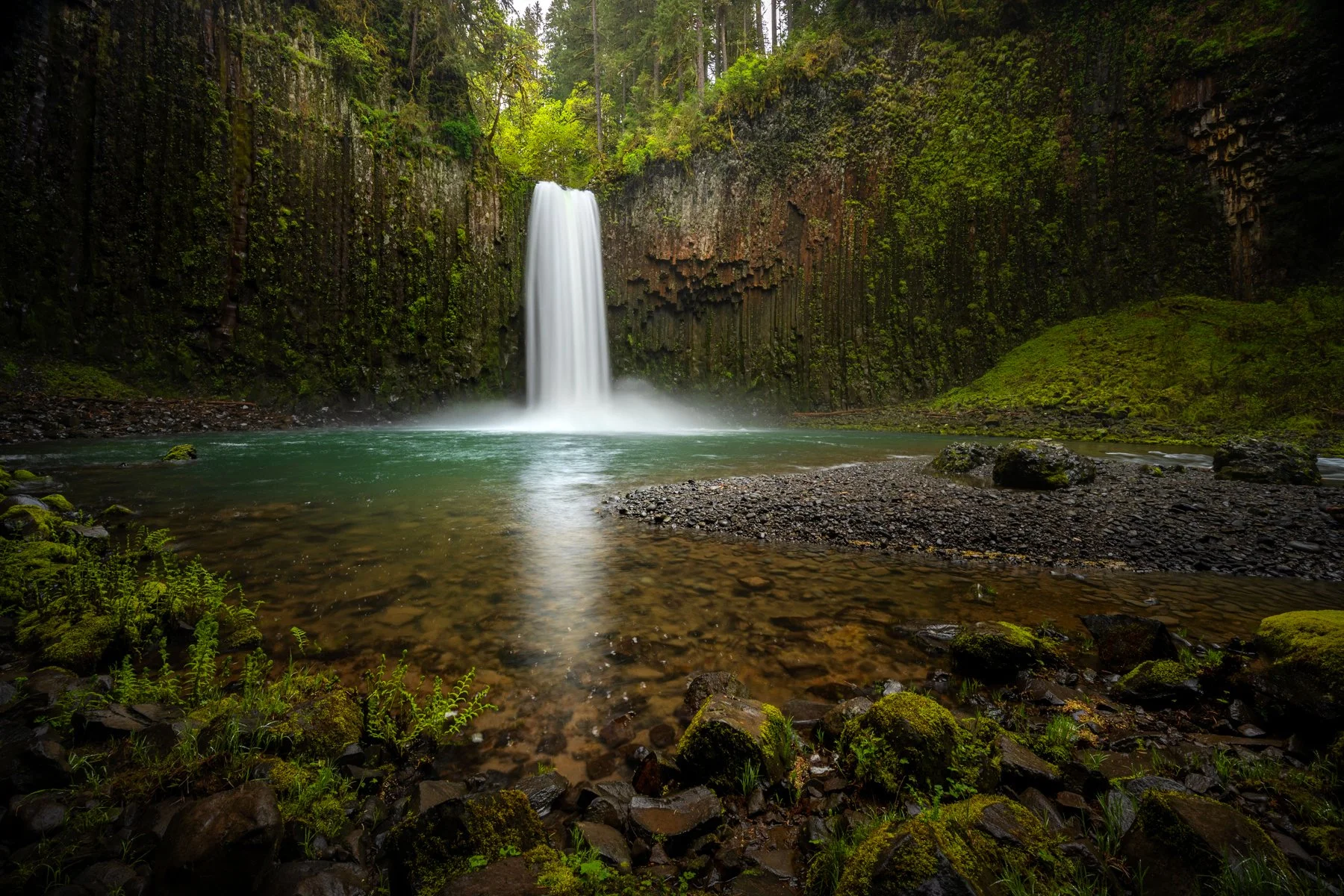
Have you ever arrived on scene and just sat and watched how the light changed? How the water moved and swirled. How the bubbles danced or moved in a particular direction. How the moss grew and where? The color of the rock? The new greens growing and all of it came together for an experience? What is important here and what elements are working together to create this experience. And… how will you convey this to the viewer who has never been there?
See. Capture. Create.
For me, the creative process begins long before I press the shutter.
First, I SEE something.
Then I figure out how to CAPTURE what attracted me to it.
And finally, I CREATE the finished photograph that represents what I felt in the field. That image may include multiple angles. Angles that I can’t review and digest.
See. Capture. Create.
You can own the best camera in the world. You can master Lightroom and Photoshop. You can understand every technical aspect of photography.
But none of those things can tell you what deserves your attention.
That part comes from you.
So the next time you're standing somewhere beautiful, make the obvious photograph.
Then put the camera down.
Slow down and look around. Or, show up early for Sunrise and explore until the early flare happens.
And see what else the landscape has to say.
You might find that the photograph you came for isn't nearly as interesting as the one you almost walked past.